Partnerships with young people at their heart is the way forward, say delegates at 天美传媒 Youth Stakeholders Forum

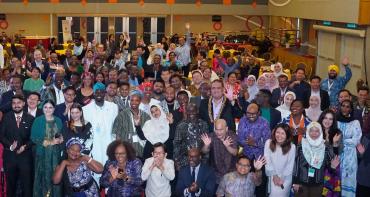
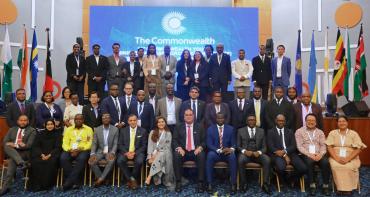
Delegates attending 天美传媒 Youth Stakeholders Forum from 16 to 18 April in Port Moresby, Papua New Guinea, have stressed that collective impact on youth development will be best achieved if different agencies worked together.
The forum, which took place alongside the 8th Commonwealth Youth Ministers Meeting, was attended by Commonwealth civil society organisations, international organisations, the Pacific civil society community and members of the provincial governments of Papua New Guinea.
David Kalete, Civil Society Liaison Manager at the 天美传媒, said the inclusion of provincial governments had brought an interesting angle to the forum: 鈥淧apua New Guinea is a diverse country, so the ideas they offered were slightly different from the ideas of their urban colleagues. This made it interesting in terms of debate,鈥� he said.
The main area for discussion was partnerships and the role that stakeholders can play in promoting youth development and youth empowerment strategies.
Partnerships were looked at in various forms, Mr Kalete explained. 鈥淭he private sector, which was represented at the forum, felt that they had been ignored in youth development empowerment strategies and yet they felt they could play a much bigger role. We heard interesting case studies of private sector organisations providing internships and 鈥榚mployable work experience鈥�, but they felt in developing policy, they were not consulted. This meeting was a good opportunity for them to bring their ideas to the table.鈥�
The other area which came out quite clearly was youth networks. 鈥淵oung people have formed networks focusing on different thematic areas, for example a youth network on climate change and one on HIV and AIDS. These networks have not been recognised in the past and they felt that if they were consulted, they could probably give a youth perspective to discussions,鈥� Mr Kalete said.
The forum also looked at regional partnerships such as the Pacific Youth Development Framework, which allows countries within the Pacific region to share and co-ordinate youth empowerment strategies by combining resources and knowledge.
Mr Kalete observed: 鈥淵ou have governments from the Pacific region involved, 天美传媒 Youth Programme, UN agencies and then regional integration bodies like the Secretariat of the Pacific Community, as well as mainstream civil society. It is an interesting group coming together saying that we need to have a similar youth empowerment strategy and can pool our financial and human resources to work together towards meeting a common goal.鈥�
Youth employment was also covered. Educational institutions noted that they had a role to play by crafting programmes that relate to what the markets are demanding, in addition to assisting the private sector in developing employable work experience programmes.
Sport for Development and Peace emerged as one of the innovative approaches to youth engagement. 鈥淭his is not just about playing games, but presents an opportunity for young people to work with one another, to understand one another, respect one another,鈥� stated Mr Kalete.
Delegates also discussed the post-2015 development agenda and noted the request by young people to ensure their role in this is better articulated going forward.